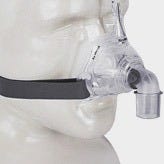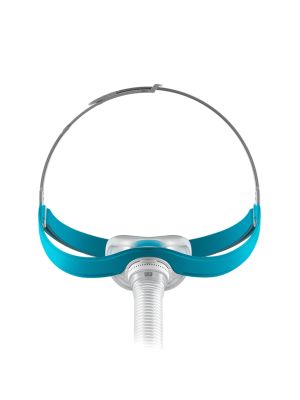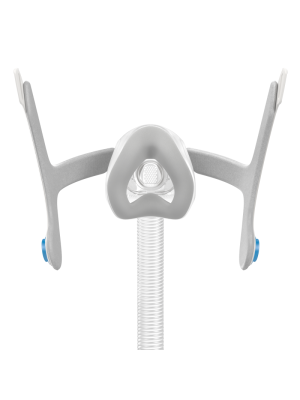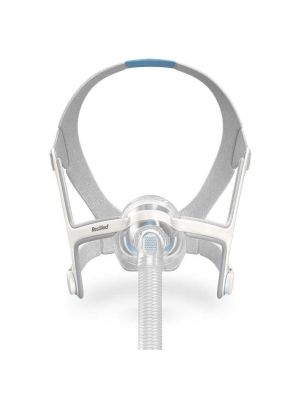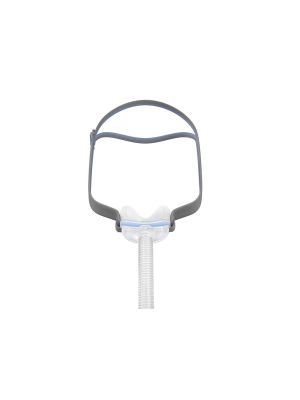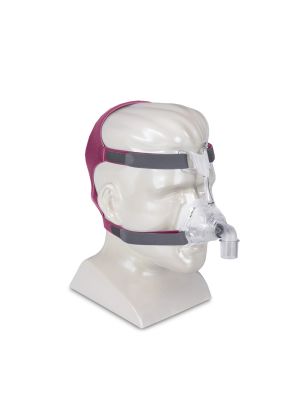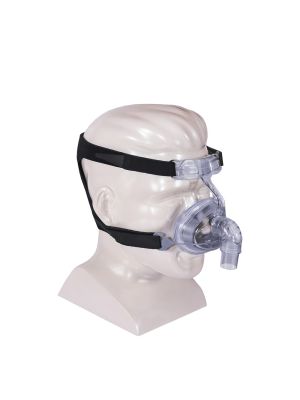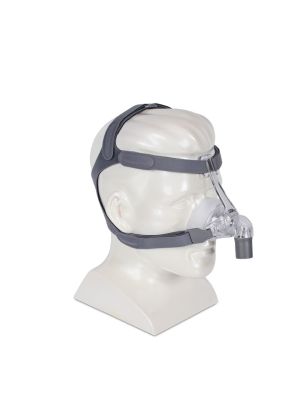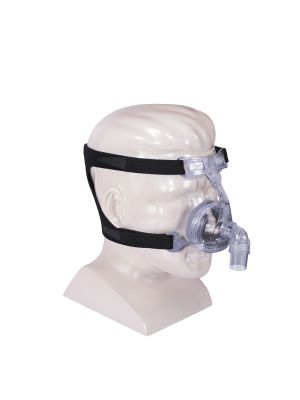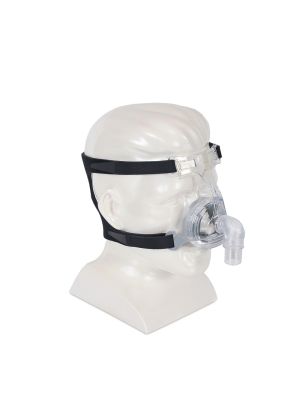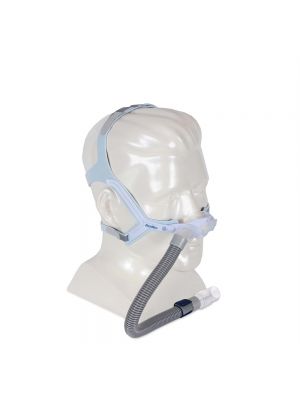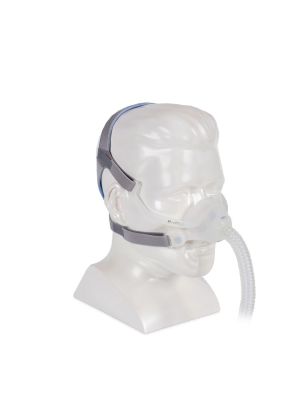
Designed for nose breathers, CPAP nasal masks sit under or over your nose and create a seal with a silicone, gel, or foam cushion.
CPAP nose masks are smaller and lighter than full-face masks, making them a great option for active sleepers or those with facial hair since it's easier to maintain a strong seal throughout the night. With a minimal, comfortable design, nasal masks are also commonly recommended to first-time CPAP users. Like any mask, it can take some trial and error to find the perfect fit. Fortunately, there is a variety of nasal CPAP styles for every facial structure. With several models from all the top brands, it's easy to find an affordable option at CPAP Supply USA. Plus, save more with free shipping on all CPAP machine nose masks over $49.
Nasal CPAP Mask Common Questions
1. Do You Need a Prescription for a Nasal CPAP Mask?
Yes, Federal law requires you to have a prescription to purchase a nasal CPAP mask. Click on a mask to see the options to share your prescription information with us. Note that replacement CPAP mask parts can be purchased without a prescription
2. Are Nasal CPAP Masks Better Than Other Mask Types?
No mask type is objectively better than another. While there are some unique benefits to nasal masks (e.g. lightweight, full field of vision), the right mask style for you will depend on your breathing habits, sleeping position (back, side, stomach), and more. Read our guide on the common types of CPAP masks to learn more.
3. Do Nasal CPAP Masks Work for Mouth Breathers?
Breathing through your mouth while using a nasal CPAP mask can allow pressure leaks, reducing therapy effectiveness. If you’re a frequent mouth breather, a full face CPAP mask is likely a better option. You can also talk with your doctor about testing a nasal CPAP mask along with a CPAP chin strap that can help you keep your mouth closed and retrain your breathing habits.
4. What is the Best Nasal CPAP Mask?
Once you know which mask style is right for you, we’ve prepared a list of the best CPAP masks by type based on user feedback and the experience of our on-staff Registered Respiratory Therapist.
5. What are the Disadvantages of Nasal CPAP Masks?
Nasal masks are often preferred due to their lightweight, unobstructive design, but some users can experience nosebleeds or nasal dryness. This can often be alleviated by using a humidifier, a built-in feature on several of our best CPAP machines. Nasal masks also may not be the right fit for you if you have frequent nasal congestion that could limit airflow and therapy pressure, or if you typically breathe more through your mouth while you sleep. In those cases, a full face CPAP mask would likely be more effective.
6. How Often Should You Replace Your Nasal CPAP Mask?
We suggest replacing your mask (excluding the headgear) every three months. Other components of your mask (e.g. CPAP headgear and CPAP chin straps) may need to be replaced around every six months to ensure a consistently strong seal. Small components like the nasal cushion should be replaced more frequently if they show signs of wear or you’re experiencing more frequent leaks.
7. How Often Do You Clean a Nasal CPAP Mask?
Cleaning your mask weekly is the best way to ensure safe, effective therapy. Read our full guide on how to clean a CPAP mask for a detailed list of steps to follow.