APAP Machines

APAP Machines

APAP Machines

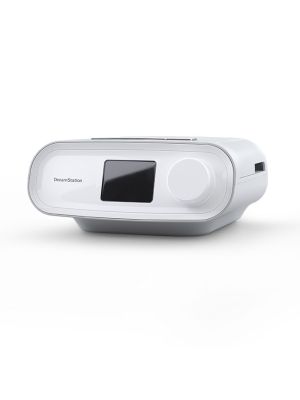
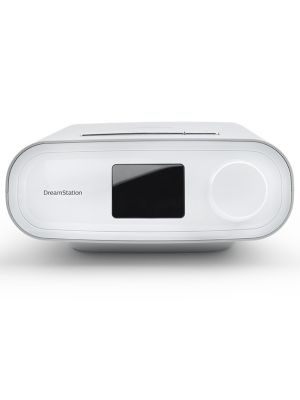
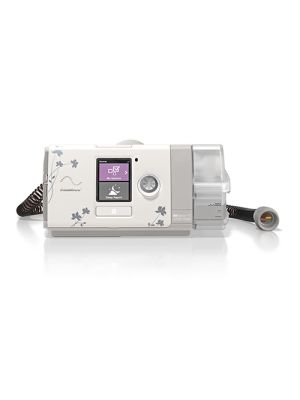
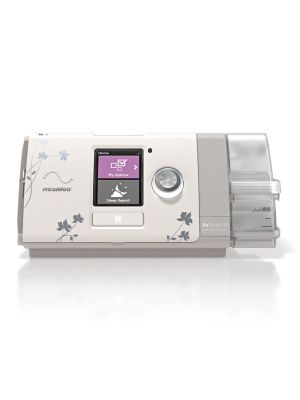
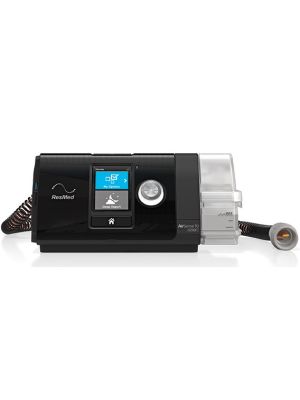
APAP machines, also called auto CPAP machines, can adjust therapy pressure as you sleep. While traditional CPAP machines deliver pressure at a set level prescribed by your doctor, auto adjusting CPAPs detect changes to the amount of restriction in your airway throughout the night and ramp therapy pressure up or down accordingly. Some CPAP users find a fixed pressure level uncomfortable, especially while trying to fall asleep. Auto CPAPs can make falling asleep and staying asleep more comfortable by slowly ramping up air pressure to the prescribed level and adjusting as needed if your breathing pattern or sleeping position changes. Deciding between CPAP and APAP therapy will involve a discussion with your doctor, but most of the top devices today can deliver both forms of therapy. Shop automatic CPAP machines from all the top brands at CPAP Supply USA and enjoy free shipping.



APAP Machine Common Questions

1. Do You Need a Prescription for an APAP Machine?

Yes, a sleep apnea diagnosis and prescription from your doctor is required to purchase an APAP machine.

2. What's the Difference Between APAP and CPAP?

CPAP is an abbreviation for "Continuous Positive Airway Pressure" while APAP stands for "Automatic Positive Airway Pressure." The key difference is in the way pressurized air is delivered to you throughout the night. As the name suggests, CPAP machines deliver a consistent or continuous pressure level. On the other hand, APAP machines detect changes in the amount of restriction in your airway as you sleep and automatically adjust the pressure level. Your doctor will work with you to determine which type of machine you need. To learn more, read our full comparison of APAP vs. CPAP differences.

3. What Are the Disadvantages of APAP?

The most common drawback of APAP that users mention is sleep disruption caused by pressure adjustments throughout the night, particularly if pressure levels increase. However, most APAP machines collect therapy data that can be shared with your doctor to ensure pressure levels are adequate and adjustments can be made if needed.

4. Will Insurance Cover an APAP Machine?

In many cases, insurance plans at least partially cover the cost of an APAP machine and sometimes other components as well. To be eligible, it’s typically required that you’ve been diagnosed with sleep apnea. To start, review our insurance billing tips and contact your insurance provider with any questions.

5. What Are the Best APAP Machines?

The right machine for you will depend on the features you need (e.g. humidification, portability, etc.). Based on user feedback and the experience of our on-staff Registered Respiratory Therapist, we’ve compiled a list of the best APAP machines to help you make an informed decision.

6. How Often Does an APAP Machine Need to Be Cleaned?

The machine itself should be wiped down every 2-4 weeks to remove any accumulated dust or oils. However, some components like the mask and tubing should be cleaned more frequently. Read our guide on how to clean an APAP machine to learn more.

Set Descending Direction
View as Grid List

7 Items

per page
Set Descending Direction
View as Grid List

7 Items

per page