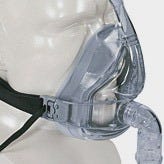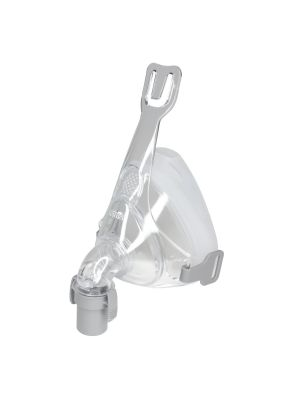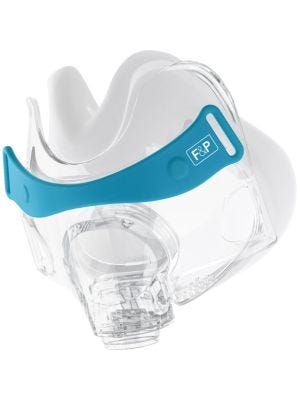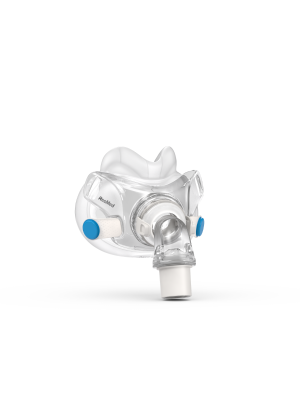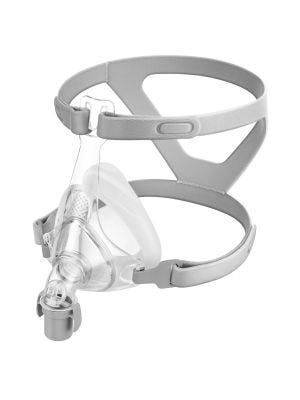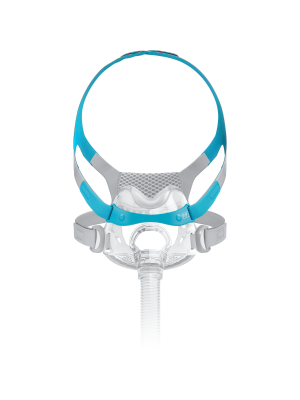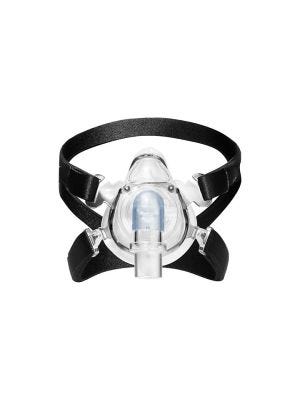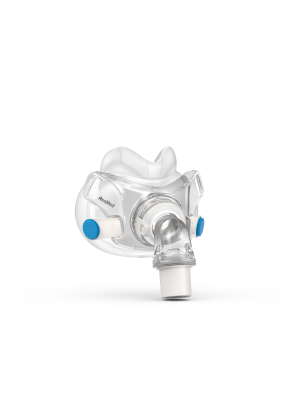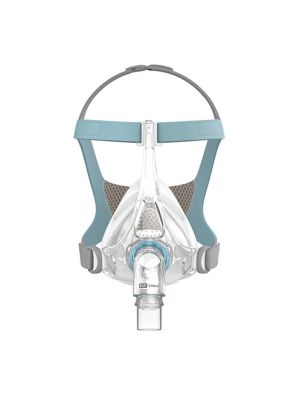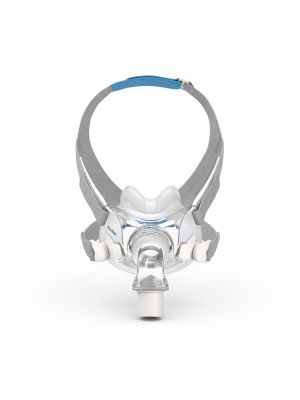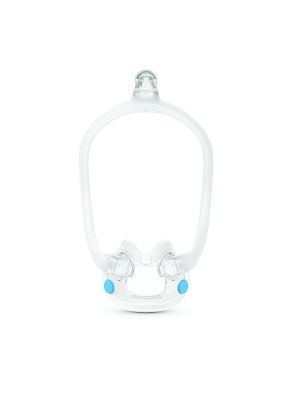
CPAP full face masks cover both your nose and mouth, sealing around your cheeks, below your mouth, and either across or under your nose. While larger than other mask styles, CPAP full face masks are the best option if you breathe through your mouth at all during the night or have frequent nasal congestion. They can also be a good option as a first mask to help you adjust to CPAP therapy. Most designs today are relatively minimal for a more comfortable fit with no sight obstruction, and there are several affordable full face masks to use with your CPAP machine. Find the right fit at CPAP Supply USA and enjoy free shipping on every full face CPAP mask.
Yes, Federal law requires you to have a prescription to purchase a full face CPAP mask. Click on a mask to see the options to share your prescription information with us. Note that replacement CPAP mask parts can be purchased without a prescription
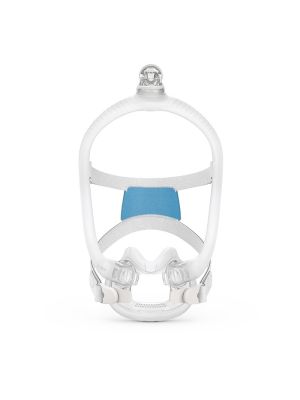
No mask type is objectively better than another. While there are some unique benefits to full face masks (e.g. a good mask to adjust to therapy if you're new to CPAP), the right mask style for you will depend on your breathing habits, sleeping position (back, side, stomach), and more. Read our guide on the common types of CPAP masks to learn more.
Once you know which mask style is right for you, we’ve prepared a list of the best CPAP masks by type based on user feedback and the experience of our on-staff Registered Respiratory Therapist.
Yes, you can breathe through your mouth with a full face CPAP mask. They're designed to cover both your nose and your mouth so pressurized air can be delivered no matter which way you breathe. That also makes them a good option if you're sick or frequently experience nasal congestion.
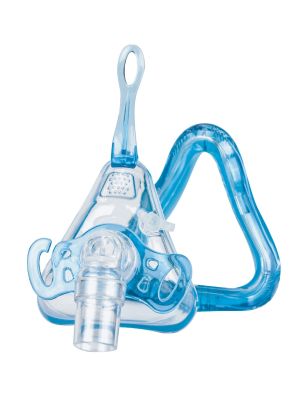
There are a few disadvantages to full face CPAP masks that some users experience. First, it may be harder to achieve an effective seal due to the larger surface area of a full face mask vs. other mask types. This can be especially true if you have facial hair since mask cushions typically seal better with direct skin contact. To mitigate the risk of seal issues, it's important to work with your doctor to ensure you choose the right mask size. Some CPAP machines can also help detect pressure leaks and notify you to adjust mask placement.
We suggest replacing your mask (excluding the headgear) every three months. Other components of your mask (e.g. CPAP headgear and CPAP cushions) may need to be replaced around every six months to ensure a consistently strong seal.
Cleaning your mask weekly is the best way to ensure safe, effective therapy. Read our full guide on how to clean a full face CPAP mask for a detailed list of steps to follow.